
Choosing coffee beans is one of the most personal parts of making coffee at home.
Coffee can feel very different from one cup to another. Some coffees taste bright and lively, while others feel smoother, fuller or more roast-forward. These differences can be shaped by the bean variety, origin, processing method, roast level and the way the coffee is brewed.
There is no single style that suits everyone. What works for you depends on the flavors you enjoy, the equipment you use and the kind of routine you want to build around coffee.
Understanding the basics can help you compare different options with more confidence and gradually discover what feels right for your everyday cup.
Explore Coffee Beans
Whole Bean Coffee
Whole bean coffee lets you grind only what you need shortly before brewing.
Because coffee begins losing aroma more quickly once it is ground, grinding just before preparation can help retain more of its fresh character. It also lets you adjust the grind size to suit different brewing methods.
Whole bean coffee may suit you if you already use a grinder and want more control over how your coffee is prepared.
Ground Coffee
Ground coffee is ready to use, removing the need to grind beans before preparation.
It can be a practical choice if you prefer a simpler routine, have limited space or do not want to add a grinder to your setup. Choosing a grind made for your brewing method can also help you achieve more consistent results.
Ground coffee may suit you if convenience and ease of preparation are important parts of your daily routine.
Coffee Roasts
Roast level can shape the flavors, aromas and overall character you notice in the cup.
Lighter roasts may bring forward brighter or more fruit-led notes, while darker roasts often emphasize deeper, roasted or cocoa-like flavors. Neither style is automatically better; the right fit depends on what you enjoy and how you brew.
Exploring roast levels can help you recognize which profiles feel most natural in your everyday coffee.
Coffee Origins
Coffee from different regions can taste different because growing conditions, coffee variety and processing methods all influence the beans.
Origin may shape the flavors and aromas you notice, but it is only one part of the final cup. Roast level, freshness, grind and brewing method also affect the result.
Exploring coffee origins can help you understand why coffees from different places may offer distinct experiences.
How to Choose Coffee Beans
Choosing coffee beans is a personal decision shaped by the flavors you enjoy, the way you brew and your everyday routine.
Rather than looking for a single “best” coffee, it can be more useful to understand which characteristics you notice and enjoy in the cup.
Your Preferred Coffee Style
Think about the coffees you already enjoy.
Do you usually prefer:
- A smooth, balanced cup?
- Brighter, livelier flavors?
- A richer cup with more weight and texture?
Your current preferences are a useful starting point when exploring different beans.
Brewing Method
Your brewing method can influence which characteristics are most noticeable in the cup.
Consider whether you mainly prepare:
- Espresso
- Pour-over coffee
- Drip coffee
- French press
There is no fixed pairing between a coffee bean and a brewing method. A useful match is one that suits both the way you prepare coffee and the flavors you enjoy.
Roast Preference
Roast level can shape the flavors, aromas and overall character you notice in the cup.
Lighter roasts may feel brighter and bring forward fruit-like or floral notes, while darker roasts often taste deeper, roastier or more cocoa-like.
Neither style is automatically better. The right fit depends on what you enjoy and how you brew.
Freshness and Storage
Freshness can affect coffee’s aroma, flavor and consistency during brewing.
A practical routine starts with buying an amount that matches how often you brew and storing it tightly closed away from heat, light and moisture.
Consider:
Whether whole bean or ground coffee better suits your routine
How much coffee you usually keep at home
How often you prepare coffee
Understanding Coffee Flavor
Coffee flavor can seem complicated because descriptions often use terms such as flavor notes, body and acidity.
You do not need to learn every technical detail. Understanding what these terms describe can help you compare coffees and recognize what you enjoy in the cup.
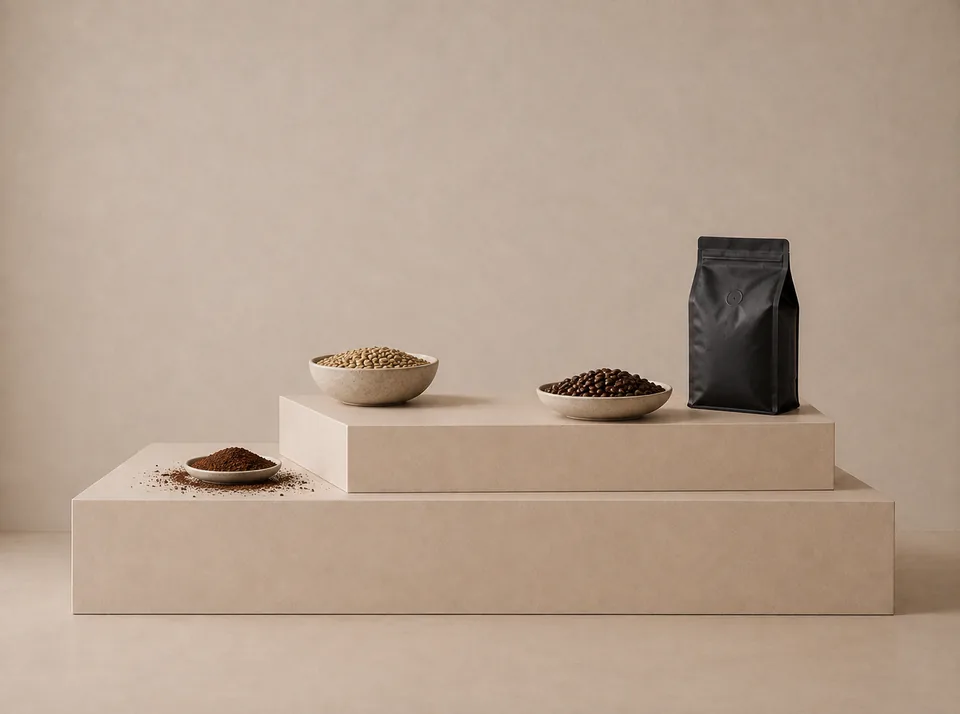
Flavor Notes
Coffee descriptions often use words such as fruity, floral, nutty, chocolatey or spice-like.
These words describe flavors and aromas that a coffee may remind you of. They do not necessarily mean that those ingredients have been added.
Flavor notes are not rules about what you should enjoy. They are simply a useful way to describe and compare different coffees.
Coffee Body
Body describes the weight and texture of coffee in your mouth.
A lighter-bodied coffee may feel delicate or tea-like, while a fuller-bodied coffee may feel rounder, creamier or heavier.
Neither style indicates better quality. They simply offer different kinds of mouthfeel, and you may prefer one or enjoy both in different situations.
Acidity
In coffee, acidity describes the bright, lively or crisp sensation you may notice in the cup.
It is not necessarily the same as unpleasant sourness. Some coffees show more of this bright character, while others feel softer and rounder.
Recognizing this difference can help you understand which coffee profiles you enjoy drinking.
Before Choosing Coffee Beans
Before choosing coffee beans, it helps to understand a few of the differences you are likely to encounter when comparing options.
Whole bean or ground, roast level, origin structure and coffee species can each shape a different part of your coffee experience. These comparisons can help you understand those differences and decide what fits your routine and preferences.
Whole Bean vs Ground Coffee
Whole bean coffee gives you more control over grinding, while ground coffee removes a step from your routine.
Compare convenience, grind flexibility and everyday use before choosing between them.
Light Roast vs Dark Roast
Light and dark roasts can bring very different characteristics forward in the cup, from brighter flavors to deeper roasted notes.
Compare how each roast direction can affect the coffee you actually drink.
Single Origin vs Blend
Single origin and blend describe how coffee is sourced and combined, not which one is better.
Compare how they differ in flavor direction, consistency and the experience of exploring coffee.
Arabica vs Robusta Coffee
Arabica and Robusta are different coffee species with different general tendencies in flavor, bitterness, body and caffeine.
Compare what those differences can mean in the cup without treating either species as a quality ranking.
As an Amazon Associate I earn from qualifying purchases.
For Medium-Roast Espresso
Lavazza Super Crema
- Medium espresso roast
- Arabica–Robusta blend
- Creamy everyday profile
For Dark Roast / Bold Flavor
Peet’s Major Dickason’s
- Dark roast
- Rich, bold flavor
- Whole bean
For Decaf Coffee
illy Decaf Whole Bean
- Decaffeinated whole bean
- 100% Arabica
- Medium roast
For Bold Organic Espresso
Blue Bottle Organic Espresso
- Certified organic whole bean
- Dark espresso roast
- Rich chocolate flavor
Featured Coffee Bean Guides
Understanding coffee beans does not require specialist knowledge.
These guides explain the practical differences that can shape what you notice in the cup, including flavor profiles, roast levels and the relationship between coffee beans and brewing methods. They can help you compare options and find a useful starting point for your own routine.
How to Choose Coffee Beans
A practical guide to choosing coffee beans based on the flavors you enjoy, your brewing method, roast preference and everyday routine.
It offers a flexible starting point for comparing different options without suggesting that one coffee style is universally better than another.
Coffee Flavor Profiles Explained: Taste, Body and Acidity
A guide to understanding common coffee terms such as flavor notes, sweetness, bitterness, body and acidity.
It explains what these descriptions may mean in the cup, using everyday language to help you recognize and compare the coffee profiles you enjoy.
Coffee Roast Levels Explained
A guide to light, medium and dark roast styles and how roasting can shape the aromas, flavors, brightness and body you notice in the cup.
It helps you compare different roast profiles without treating one level as automatically better or more suitable for everyone.
How to Match Coffee Beans to Your Brewing Method
A guide to understanding how bean characteristics and roast styles may interact with espresso, pour-over, drip coffee and immersion brewing methods.
It provides practical starting points based on the flavors you enjoy and the way you usually prepare coffee, while recognizing that no bean and brewing method pairing is a fixed rule.
FAQ
No. There is no single coffee bean that suits everyone. A useful choice depends on the flavors and textures you enjoy, the brewing method you use and how involved you want your preparation routine to be.
If you are unsure where to begin, the How to Choose Coffee Beans guide explains the main factors to consider without treating one coffee style as universally better than another.
Not necessarily. A higher price may reflect factors such as origin, availability, production methods, processing, sourcing or lot size, but it does not guarantee that the coffee will match your preferences.
Freshness, roast style, grind size and brewing method also influence the final cup. Price can provide context, but it should not be treated as the only measure of quality or enjoyment.
Whole bean coffee may suit you if you want to grind shortly before brewing, adjust the grind size and use different brewing methods. Ground coffee may be more practical if you prefer a faster routine or do not want to use a grinder.
Neither format is automatically better. The more suitable choice depends on your equipment, available time and brewing method. The Whole Bean vs Ground Coffee comparison explains the differences in more detail.
Start with coffees you already enjoy and think about what you notice in the cup. You may prefer brighter and livelier flavors, smoother and rounder profiles, a fuller body or deeper roast-forward notes such as cocoa, caramel or toasted nuts.
These preferences can give you a practical starting point when comparing roast levels and different beans. The Coffee Flavor Profiles Explained: Taste, Body and Acidity guide can help you understand the terms commonly used to describe these differences.